Everest Base Camp Trek – 15 Days
Fifteen days through Sherpa country to Everest Base Camp at 5,364m, with sunrise from Kala Patthar (5,545m). The most famous trek on earth, paced properly.
Trip Facts
| Duration | 15 days (12 trekking days) |
|---|---|
| Max altitude | 5,545m — Kala Patthar |
| Difficulty | Strenuous |
| Trek start / end | Lukla |
| Best season | Mar–May, Sep–Nov |
| Accommodation | Teahouse + 3 nights hotel |
| Group size | 2–12 |
| Permits | Sagarmatha National Park + Khumbu Pasang Lhamu Rural Municipality |
| Daily walking | 5–7 hours |
Overview
Everest Base Camp is the most recognised trek in the world, and it deserves the reputation. Over fifteen days you walk from the airstrip at Lukla through the heart of Sherpa country to a glacial moraine at 5,364m beneath the Khumbu Icefall, standing where every Everest expedition since 1953 has begun.
The route is a genuine journey, not just a destination. Namche Bazaar at 3,440m is a natural amphitheatre of a town and the commercial heart of the Khumbu. Tengboche monastery, at 3,860m, sits on a ridge with Ama Dablam framed behind it — arguably the single most beautiful mountain view in Nepal. Above Dingboche the treeline ends and the landscape turns to rock, ice and moraine.
The high point in every sense is Kala Patthar at 5,545m. Base Camp itself sits below the shoulder of Nuptse and you cannot actually see Everest's summit from it — Kala Patthar is where you get the full south-west face, from the Khumbu Icefall to the summit pyramid, in the first light of morning. Our itinerary puts you there at sunrise.
Fifteen days matters. Twelve-day itineraries are sold widely and they compress acclimatisation to a degree we consider unsafe. Our schedule includes two full acclimatisation days — at Namche (3,440m) and Dingboche (4,410m) — following the climb-high, sleep-low principle. Every guide carries a pulse oximeter and checks the group twice daily above 4,000m.
Lukla flights now depart from Ramechhap (Manthali) rather than Kathmandu during peak season, which means an early-hours road transfer. We tell clients this at booking rather than on the morning of the flight.
Highlights
- Stand at Everest Base Camp (5,364m) beneath the Khumbu Icefall
- Sunrise from Kala Patthar (5,545m) — the full south-west face of Everest
- Namche Bazaar, the Sherpa capital of the Khumbu at 3,440m
- Tengboche monastery with Ama Dablam framed behind it
- The mountain flight into Lukla, one of the world's great short flights
- Two dedicated acclimatisation days built in — not an optional extra
- Sherpa villages, mani walls, prayer wheels and the Everest View Hotel panorama
Itinerary
Arrive Kathmandu; trek briefing and gear check
Kathmandu — permits, equipment hire, UNESCO sightseeing
Fly Kathmandu/Ramechhap to Lukla; trek to Phakding
Phakding to Namche Bazaar
Namche acclimatisation — Everest View Hotel / Khumjung
Namche to Tengboche monastery
Tengboche to Dingboche
Dingboche acclimatisation — Nangkartshang Peak (5,083m)
Dingboche to Lobuche
Lobuche to Gorak Shep to Everest Base Camp (5,364m) to Gorak Shep
Kala Patthar sunrise (5,545m); descend to Pheriche
Pheriche to Namche Bazaar
Namche to Lukla
Fly Lukla to Kathmandu; farewell dinner
Final departure
What the Price Includes
Cost Includes
- Airport pick-up and drop-off (private vehicle)
- All ground transport per itinerary
- Teahouse/lodge accommodation throughout the trek (twin share)
- Hotel accommodation in Kathmandu/Pokhara per itinerary (3-star, B&B)
- Three meals a day on trek — breakfast, lunch, dinner
- Tea/coffee with meals on trek
- Government-licensed English-speaking trekking guide
- Porter service (1 porter per 2 trekkers, max 25kg)
- All staff wages, insurance, equipment, food and lodging
- All required trekking permits and entry fees
- TIMS card
- Seasonal fresh fruit after dinner
- First aid kit and pulse oximeter carried by guide
- Duffel bag, trekking map and company T-shirt
- All government taxes and service charges
Cost Excludes
- International airfare and Nepal visa fees
- Travel and medical insurance (mandatory — must cover helicopter evacuation to 6,000m)
- Meals in Kathmandu and Pokhara (except where stated)
- Personal trekking equipment and clothing
- Hot showers, Wi-Fi, battery charging and bottled drinks on trek
- Alcoholic and soft drinks
- Personal expenses — laundry, phone, souvenirs
- Emergency evacuation costs (recoverable from your insurer)
- Tips for guide and porters
- Anything not listed under "Cost Includes"
Best Time to Trek
The most reliable season. Clear skies, stable weather, firm trails and the sharpest mountain views of the year. Book early; this is peak season on every route.
The second-best window and the finest season for scenery below 4,000m, when rhododendron forests are in full bloom. Warmer nights and longer days, with some afternoon haze building through May.
Clear, quiet and cold. Excellent for lower routes such as Poon Hill, Mardi Himal and Kathmandu Valley. High passes may close under snow.
Wet and leech-prone on most routes, but this is the right season for the rain-shadow trails: Upper Mustang, Nar Phu and Upper Dolpo.
Frequently Asked Questions
Guided packages generally run between USD 1,300 and USD 2,200 depending on group size, hotel standard and whether Lukla flights are included. Our 15-day package starts at USD 1,499 including permits, guide, porter, all trek meals and accommodation. Independent trekking is cheaper but no longer permitted solo without a guide on most routes.
You need to walk five to seven hours a day for twelve consecutive days, at altitude, carrying a daypack. There is no technical climbing. Three months of regular cardio and hill walking beforehand is the realistic minimum. Age is far less important than conditioning — we have taken trekkers in their seventies to Kala Patthar.
Mild symptoms are common above 4,000m. Serious altitude illness is largely preventable through pacing, hydration and honest reporting of symptoms. Our fifteen-day profile with two acclimatisation days is designed around this, and your guide monitors oxygen saturation daily. Descent is always the first treatment and your guide's call on it is final.
They are weather-dependent and cancellations happen, particularly in the afternoon and in poor visibility. Always allow at least one buffer day in Kathmandu before your international flight. Helicopter transfer is available as a paid alternative if flights are grounded.
No — the summit is hidden behind Nuptse's west shoulder from Base Camp itself. That is exactly why our itinerary includes the Kala Patthar sunrise the following morning, which gives you the full Everest face.
Ready to Book This Trek?
Departures run year-round on your dates — private groups, couples and solo trekkers all welcome. Tell us your dates and we will send a full quote within 24 hours.
You Might Also Consider
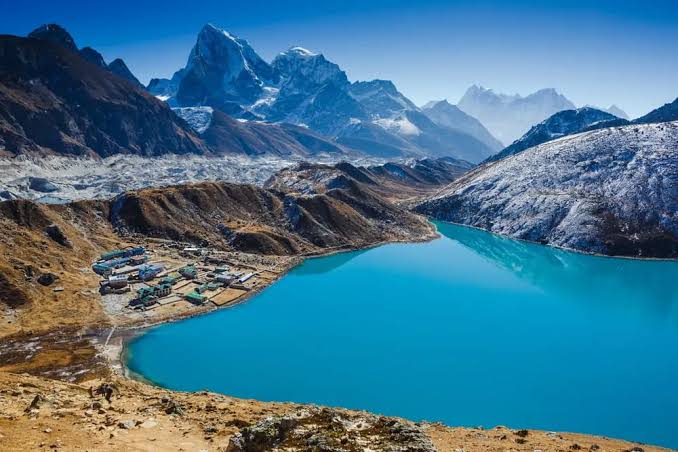
Gokyo Ri Trek – 15 Days
Fifteen days to the turquoise Gokyo Lakes and the summit of Gokyo Ri (5,357m) — four 8,000m peaks in one view — returning over the Renjo La Pass.
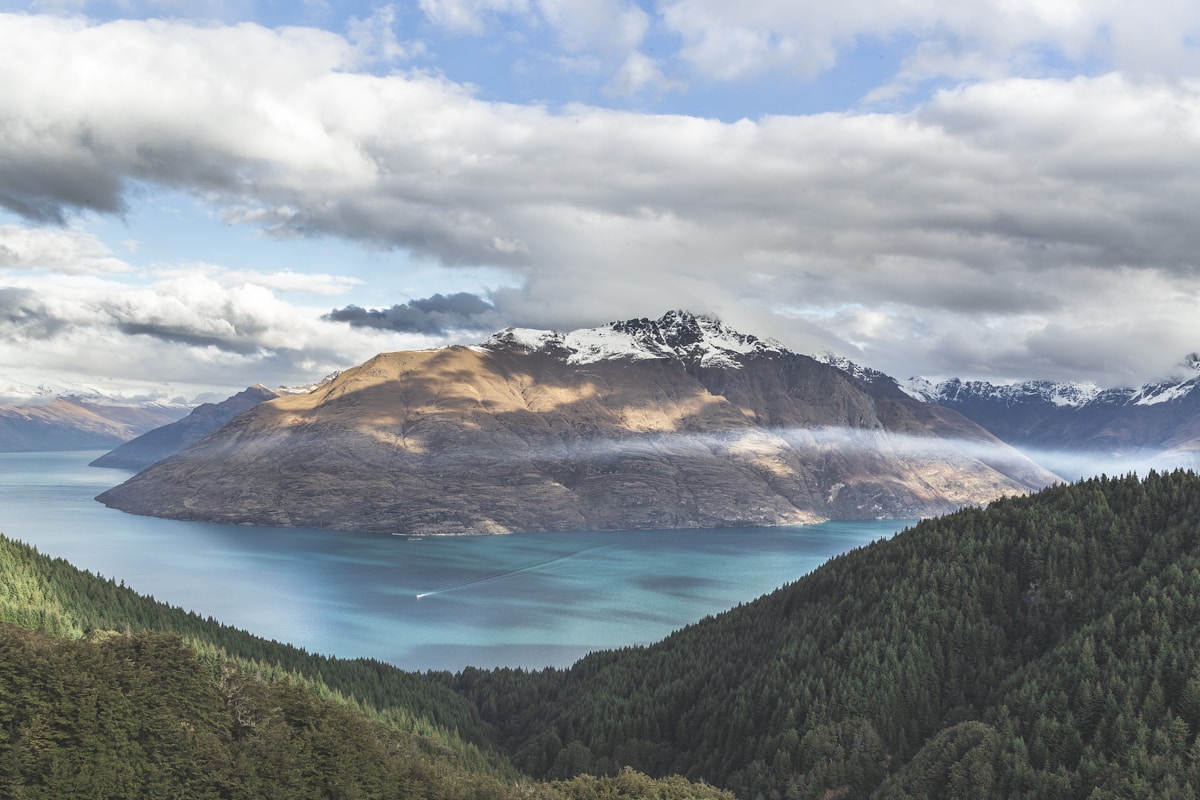
Everest Three Passes Trek – 17 Days
Seventeen days over Renjo La, Cho La and Kongma La — with Gokyo Lakes, Everest Base Camp and Kala Patthar. The most complete trek in the Khumbu.