Nepal Peak Climbing & Expeditions
5 expeditions — NMA trekking peaks and full expeditions from 6,119m to 7,134m, with climbing Sherpa support, group technical gear and a training day before every summit
5 expeditions, sorted by price
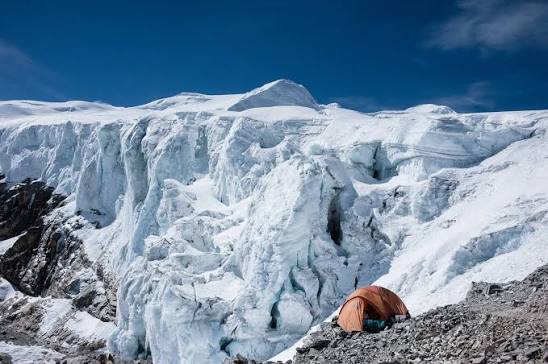
Mera Peak Expedition – 17 Days
A great beginner climbing peak at 6,476m — trek the remote Hinku valley through forest and glacier, then walk to a summit that shows you Everest, Makalu and Kanchenjunga.
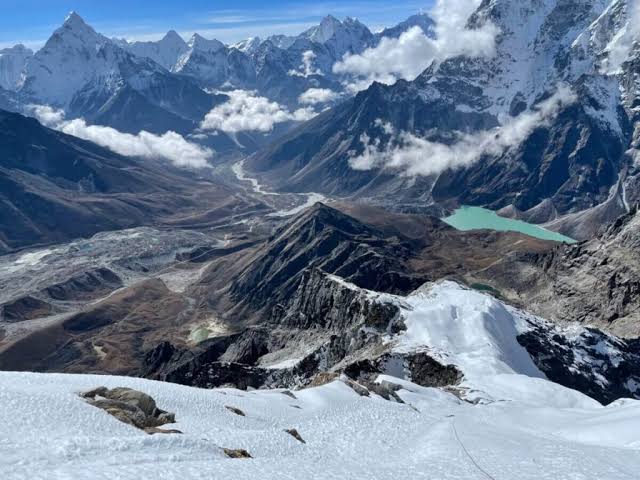
Lobuche Peak Expedition – 18 Days
The popular climbing and trekking peak beside Everest Base Camp — technical enough to matter, and the standard acclimatisation trip before a bigger mountain.
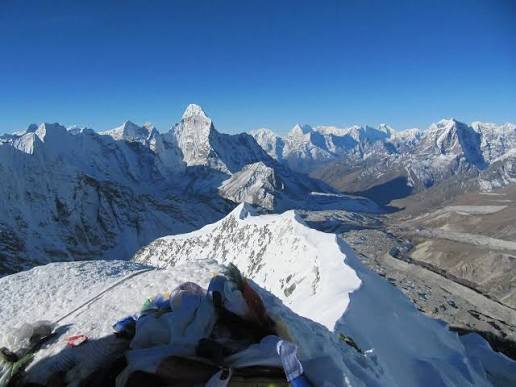
Island Peak Expedition – 19 Days
Imja Tse — the perfect first Himalayan climbing peak. The Everest Base Camp route as acclimatisation, then glacier travel and a fixed-rope summit climb under the Lhotse south face.
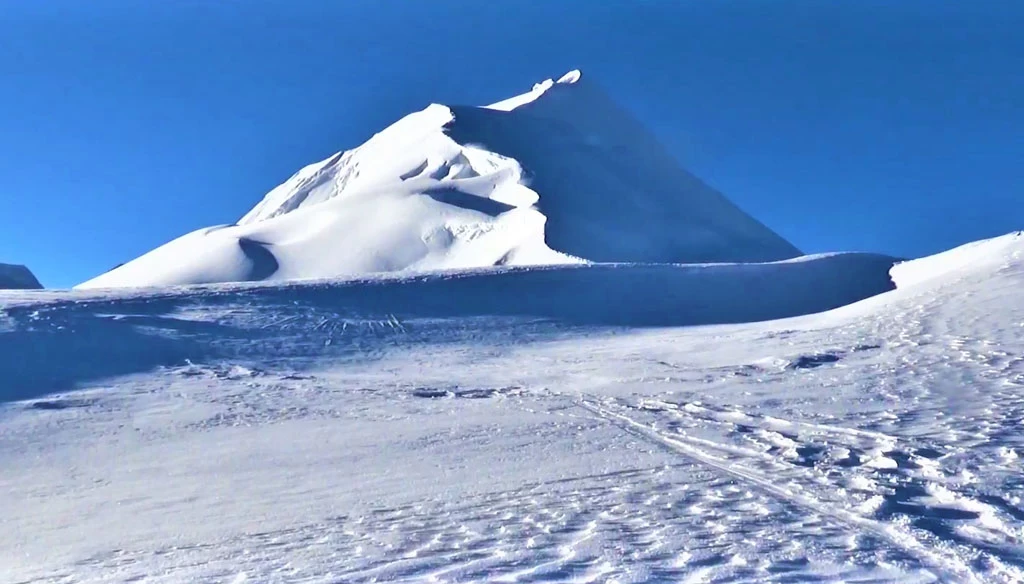
Chulu West Peak Expedition – 17 Days
The Annapurna region's climbing peak at 6,419m — Annapurna Circuit trekking combined with basic mountaineering, and a steep snow and ice finish above Manang.
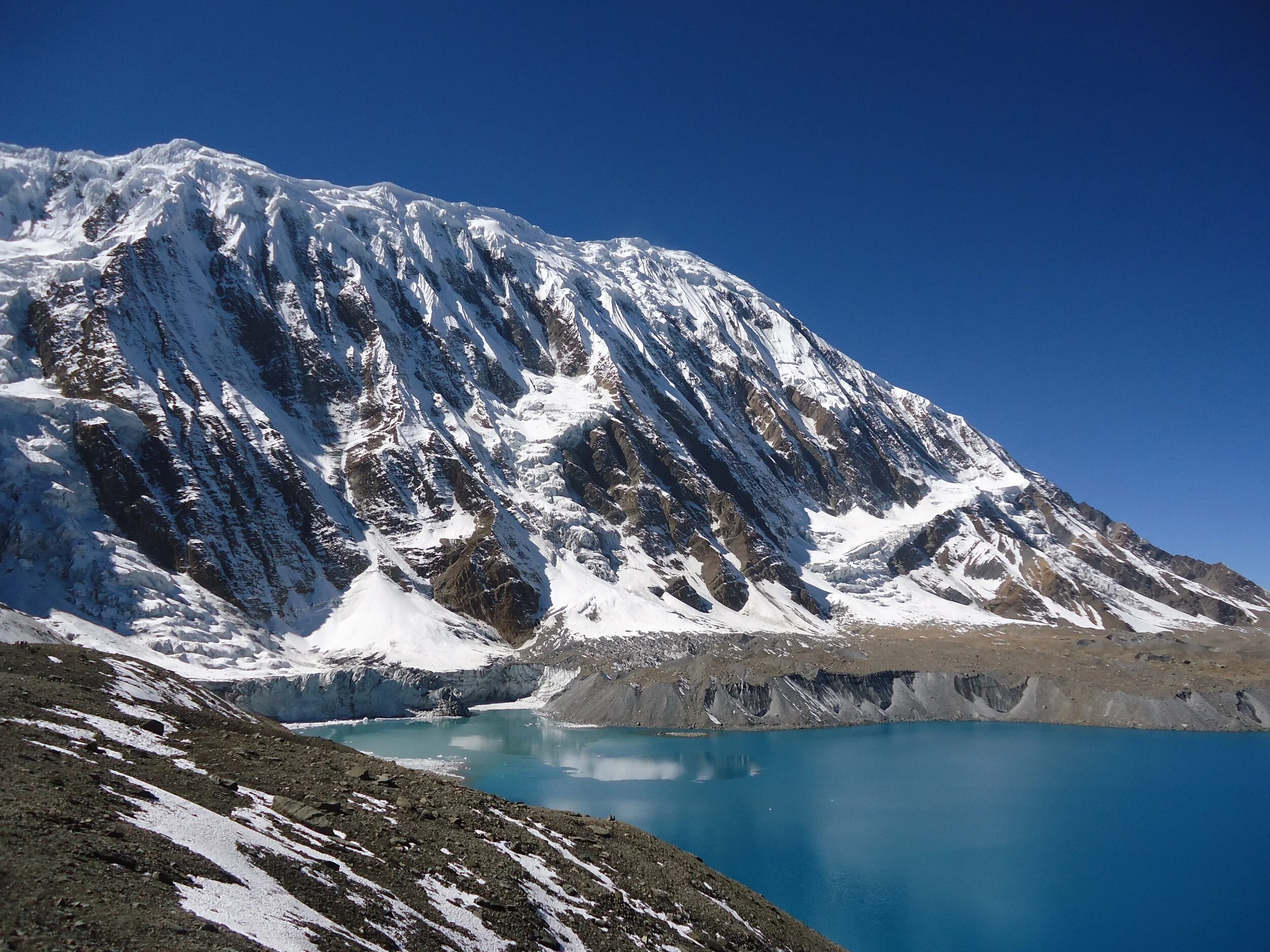
Tilicho Peak Expedition – 30 Days
A remote and seriously technical 7,134m peak above Tilicho Lake — a full high-altitude expedition for climbers with real mountaineering experience behind them.
What an Expedition Price Includes
Every climbing package covers the trek in, the climb and the trek out. Personal climbing gear, insurance and international flights are the main things you arrange yourself.
Cost Includes
- Airport pick-up and drop-off (private vehicle)
- All ground transport and internal flights per itinerary
- Teahouse/lodge accommodation on the trekking phase (twin share)
- Full-board tented camp at base camp and high camp
- Hotel accommodation in Kathmandu per itinerary (3-star, B&B)
- Three meals a day from the trailhead to the summit and back
- Government-licensed climbing guide (IFMGA or NNMGA certified)
- Climbing Sherpa on summit day — 1:2 ratio, 1:1 on Tilicho Peak
- Porter service on the trekking phase (1 porter per 2 members, max 25kg)
- All staff wages, insurance, equipment, food and lodging
- Climbing permit and national park/conservation entry fees
- TIMS card and Khumbu rural municipality fee
- Group climbing equipment — fixed and main rope, ice screws, snow bar, pickets
- Expedition tents, kitchen tent, dining tent, toilet tent and mattresses
- Emergency oxygen, mask and regulator carried by the climbing team
- Satellite phone and radio communication at base camp
- First aid kit, pulse oximeter and portable altitude chamber (PAC bag)
- Duffel bag, expedition map and company T-shirt
- Summit certificate issued by the Nepal Mountaineering Association
- All government taxes and service charges
Cost Excludes
- International airfare and Nepal visa fees
- Travel and medical insurance (mandatory — must cover helicopter evacuation and climbing to 7,500m)
- Meals in Kathmandu (except welcome and farewell dinner)
- Personal climbing equipment — boots, crampons, ice axe, harness, helmet, ascender, descender
- Personal trekking and down clothing
- Hot showers, Wi-Fi, battery charging and bottled drinks on trek
- Alcoholic and soft drinks
- Personal expenses — laundry, phone, souvenirs
- Emergency evacuation costs (recoverable from your insurer)
- Summit bonus for climbing Sherpa (customary — we advise the current rate)
- Tips for guide, Sherpa and porters
- Anything not listed under "Cost Includes"
How We Grade Difficulty
Easy
Up to 3,000m. 4–5 hours walking a day on well-made trails. Suitable for anyone in reasonable health with no trekking experience.
Moderate
Up to 4,200m. 5–6 hours a day with sustained ascents and descents. You should be comfortable walking all day and be able to hike for several consecutive days.
Strenuous
Up to 5,000m. 6–7 hours a day including long climbs and high passes. Requires prior multi-day trekking experience and 2–3 months of cardio preparation.
Challenging
Above 5,000m and/or multiple high passes, remote areas, camping. For experienced trekkers with proven altitude tolerance and strong fitness.