Mera Peak Expedition – 17 Days
A great beginner climbing peak at 6,476m — trek the remote Hinku valley through forest and glacier, then walk to a summit that shows you Everest, Makalu and Kanchenjunga.
Trip Facts
| Duration | 17 days (14 trekking/climbing days) |
|---|---|
| Max altitude | 6,476m / 21,247ft — Mera Central summit |
| Difficulty | Challenging — non-technical |
| Trek start / end | Kathmandu |
| Best season | Apr–May, Oct–Nov |
| Accommodation | Teahouse/lodge + 2 nights tented high camp |
| Group size | 2–8 (1:2 Sherpa ratio on summit day) |
| Permits | NMA climbing permit + Makalu Barun National Park + Khumbu municipality |
| Daily walking | 5–7 hours; 8–10 hours on summit day |
Overview
Mera Peak is the peak we recommend first. At 6,476m it is the highest trekking peak in Nepal, and yet it is one of the least technical mountains of its size anywhere in the Himalaya. There is no headwall, no exposed rock and no route-finding — the climb is a long, steady glacier walk in crampons, roped to your guide, with one short steep step below the summit snow dome. What you need is fitness and a day of crampon practice, not a climbing resume. The approach is the other half of the appeal. Instead of joining the Everest highway you cross the Zatrwa La out of Lukla into the Hinku valley — a deep, forested, almost unpopulated glacial trench on the far side of the ridge. For a week you walk through rhododendron forest, past a handful of seasonal lodges at Kothe and Thangnak, and up onto the Mera glacier, often without seeing another group all day. The summit view is the argument for the whole trip. From Mera Central you look across at Everest, Lhotse, Makalu, Cho Oyu and Kanchenjunga — five of the six highest mountains on earth — in one sweep, with Ama Dablam, Baruntse and Chamlang filling the middle distance. No other summit in Nepal puts all of that in a single frame. Fifteen to eighteen days is the honest range for this mountain and we run it in seventeen, which buys two acclimatisation days and a contingency day. Non-technical does not mean easy: high camp at 5,800m is a genuinely cold night in a tent, and summit morning is a long, slow plod at an altitude where nothing feels quick.
Highlights
- Stand on Nepal's highest trekking peak at 6,476m with no technical climbing skill required
- Everest, Lhotse, Makalu, Cho Oyu and Kanchenjunga in a single summit panorama
- Cross the Zatrwa La (4,610m) into the remote, forested Hinku valley
- A full glacier and crampon training day at Khare before you go high
- Night at high camp on the Mera La glacier at 5,800m
- One of the quietest approaches in the Everest region — days without another group
- NMA summit certificate on return to Kathmandu
Itinerary
Arrive Kathmandu; expedition briefing and equipment check
Fly Kathmandu/Ramechhap to Lukla; trek to Chutanga
Chutanga acclimatisation day — hike toward Zatrwa La
Cross Zatrwa La; descend to Thuli Kharka
Thuli Kharka to Kothe, Hinku valley
Kothe to Thangnak
Thangnak acclimatisation day — hike to Sabai Tsho glacial lake
Thangnak to Khare
Khare — crampon, ice axe and roped glacier training on the Mera La
Khare to Mera La to High Camp; camp set-up
Summit day: High Camp to Mera Central; descend to Khare
Contingency day for weather or a second summit attempt
Khare to Kothe
Kothe to Thuli Kharka
Thuli Kharka over Zatrwa La to Lukla
Fly Lukla to Kathmandu; summit certificate and farewell dinner
Final departure
The Zatrwa La is crossed twice and can hold deep snow in early spring. If the pass is closed we reroute via Paiya and Pangkongma, which adds a day — covered by the Day 12 contingency.
What the Price Includes
Cost Includes
- Airport pick-up and drop-off (private vehicle)
- All ground transport and internal flights per itinerary
- Teahouse/lodge accommodation on the trekking phase (twin share)
- Full-board tented camp at base camp and high camp
- Hotel accommodation in Kathmandu per itinerary (3-star, B&B)
- Three meals a day from the trailhead to the summit and back
- Government-licensed climbing guide (IFMGA or NNMGA certified)
- Climbing Sherpa on summit day — 1:2 ratio, 1:1 on Tilicho Peak
- Porter service on the trekking phase (1 porter per 2 members, max 25kg)
- All staff wages, insurance, equipment, food and lodging
- Climbing permit and national park/conservation entry fees
- TIMS card and Khumbu rural municipality fee
- Group climbing equipment — fixed and main rope, ice screws, snow bar, pickets
- Expedition tents, kitchen tent, dining tent, toilet tent and mattresses
- Emergency oxygen, mask and regulator carried by the climbing team
- Satellite phone and radio communication at base camp
- First aid kit, pulse oximeter and portable altitude chamber (PAC bag)
- Duffel bag, expedition map and company T-shirt
- Summit certificate issued by the Nepal Mountaineering Association
- All government taxes and service charges
Cost Excludes
- International airfare and Nepal visa fees
- Travel and medical insurance (mandatory — must cover helicopter evacuation and climbing to 7,500m)
- Meals in Kathmandu (except welcome and farewell dinner)
- Personal climbing equipment — boots, crampons, ice axe, harness, helmet, ascender, descender
- Personal trekking and down clothing
- Hot showers, Wi-Fi, battery charging and bottled drinks on trek
- Alcoholic and soft drinks
- Personal expenses — laundry, phone, souvenirs
- Emergency evacuation costs (recoverable from your insurer)
- Summit bonus for climbing Sherpa (customary — we advise the current rate)
- Tips for guide, Sherpa and porters
- Anything not listed under "Cost Includes"
Best Time to Trek
The most reliable season. Clear skies, stable weather, firm trails and the sharpest mountain views of the year. Book early; this is peak season on every route.
The second-best window and the finest season for scenery below 4,000m, when rhododendron forests are in full bloom. Warmer nights and longer days, with some afternoon haze building through May.
Clear, quiet and cold. Excellent for lower routes such as Poon Hill, Mardi Himal and Kathmandu Valley. High passes may close under snow.
Wet and leech-prone on most routes, but this is the right season for the rain-shadow trails: Upper Mustang, Nar Phu and Upper Dolpo.
Frequently Asked Questions
No. This is the beginner climbing peak in Nepal. You need to be a strong trekker comfortable with long days, and you need to be willing to learn. Day 9 at Khare covers crampons, ice axe, roped glacier travel and the short steep step below the summit. Most of our Mera climbers have never worn crampons before the trip.
Fit enough to walk six to seven hours a day for two weeks and then do a ten-hour day starting at 2am at 5,800m. Three to four months of hill walking with a loaded pack, plus cardio two or three times a week, is the preparation we ask for.
Higher but less technical. Mera is 287m higher and the high camp night at 5,800m is genuinely cold, but there is no 100m fixed-rope headwall as on Island Peak. Choose Mera for altitude and views, Island Peak for climbing skills.
Mera Central (6,476m), the standard and highest commonly climbed summit. Mera North requires a short technical step and is arranged only for private groups with prior experience.
Expect −15°C to −20°C overnight at 5,800m, colder in a wind. You need a sleeping bag rated to −25°C (rentable in Kathmandu), a down jacket, and insulated or double boots. Tents, mattresses and hot drinks through the evening are ours.
Around 80–85% on this seventeen-day itinerary. The two acclimatisation days and the contingency day are the reason — weather on the Mera La turns fast, and a spare morning converts a lot of near-misses into summits.
Ready to Book This Trek?
Departures run year-round on your dates — private groups, couples and solo trekkers all welcome. Tell us your dates and we will send a full quote within 24 hours.
You Might Also Consider
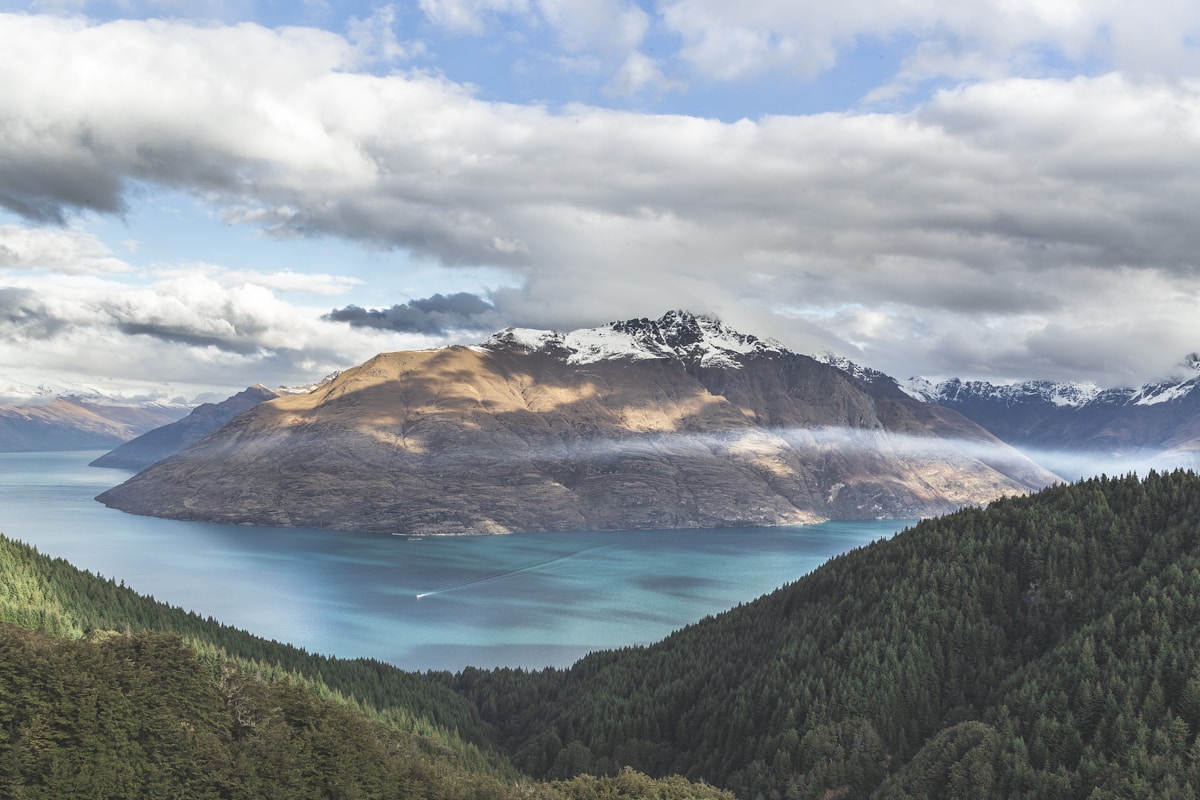
Everest Base Camp Trek – 15 Days
Fifteen days through Sherpa country to Everest Base Camp at 5,364m, with sunrise from Kala Patthar (5,545m). The most famous trek on earth, paced properly.
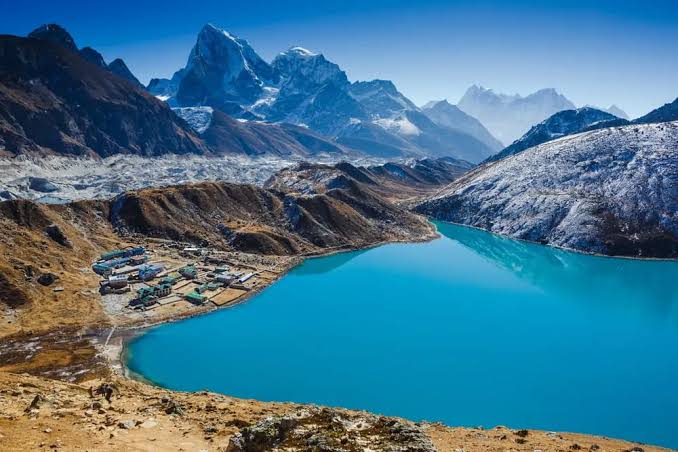
Gokyo Ri Trek – 15 Days
Fifteen days to the turquoise Gokyo Lakes and the summit of Gokyo Ri (5,357m) — four 8,000m peaks in one view — returning over the Renjo La Pass.