Upper Dolpo Trek – 23 Days
Twenty-three days across Nepal's most remote trekking region — the turquoise Phoksundo Lake, five passes above 5,000m, and the Crystal Mountain at Shey Gompa.
Trip Facts
| Duration | 23 days (18 trekking days) |
|---|---|
| Max altitude | 5,360m — Kang La / Jeng La |
| Difficulty | Challenging — full camping expedition |
| Trek start / end | Juphal (Dolpo) to Jomsom |
| Best season | May–Sep (including monsoon — rain shadow) |
| Accommodation | Full-service camping + hotel |
| Group size | Minimum 2 (restricted area rule) |
| Permits | Upper Dolpo Restricted Area Permit + Shey Phoksundo National Park |
| Daily walking | 6–8 hours |
Overview
Upper Dolpo is the most remote trekking region in Nepal, and one of the last places on earth where a Tibetan Buddhist and Bön culture survives essentially unchanged, on the Nepali side of the Himalaya but geographically and culturally part of the Tibetan plateau. It is the landscape of Peter Matthiessen's The Snow Leopard and of Eric Valli's film Himalaya (Caravan). This is a full camping expedition, not a teahouse trek. There are no lodges for most of the route. You travel with a support crew, cook, kitchen tent, dining tent and pack animals, camping between 3,500m and 4,800m for the better part of three weeks, and crossing five passes above 5,000m. Two things define the trek. The first is Phoksundo Lake — 145m deep, a colour of turquoise that looks synthetic, ringed by cliffs, with the old Bön village of Ringmo on its shore and a 300m waterfall at its outlet, the highest in Nepal. The second is Shey Gompa, the 11th-century 'Crystal Monastery' beneath Crystal Mountain, the most sacred peak in Dolpo, circumambulated by pilgrims each summer. Upper Dolpo lies deep in the Himalayan rain shadow, which makes it one of the very few Nepal treks best done between May and September — while the rest of the country is under monsoon, Dolpo is dry. This trek asks a lot: three weeks of camping, high passes, long days, real remoteness and no realistic evacuation options on some sections without a helicopter. In exchange it gives you a part of the Himalaya that almost nobody sees. We run it only with senior expedition guides and full support crews.
Highlights
- Phoksundo Lake — 145m deep, extraordinarily turquoise, Nepal's deepest lake
- Shey Gompa and the sacred Crystal Mountain, the spiritual centre of Dolpo
- Five passes above 5,000m including Kang La, Saldang La and Jeng La
- Bön and Tibetan Buddhist villages of Ringmo, Saldang, Namgung and Tinje
- Snow leopard and blue sheep habitat in Shey Phoksundo National Park
- Nepal's highest waterfall at the Phoksundo outlet
- One of the few Himalayan treks that works through the monsoon season
Itinerary
Arrival — Arrive Kathmandu; expedition briefing, restricted-area permits, gear check
Transfer — Fly Kathmandu to Nepalgunj
Transfer — Fly Nepalgunj to Juphal; trek to Dunai
Approach — Dunai to Chhepka to Amchi hospital / Rechi; enter Shey Phoksundo National Park
Phoksundo — Trek to Ringmo and Phoksundo Lake via Nepal's highest waterfall
Rest — Phoksundo acclimatisation: Ringmo village, Bön gompa, lakeshore
Lake crossing — Traverse the Phoksundo cliff trail to Phoksundo Khola and Lar Tsa
Pass 1 — Cross Kang La (5,360m) to Shey Gompa
Shey — Rest day at Shey Gompa; Crystal Mountain kora and monastery visit
Pass 2 — Cross Saldang La (5,200m) to Namduna Gaun
Saldang — Trek to Saldang village; explore the largest settlement in Upper Dolpo
Tibetan border — Saldang to Sibu to Jeng La Phedi via the Nagon Khola
Pass 3 — Cross Jeng La (5,090m) to Tokyu Gaun
Tarap — Tokyu to Dho Tarap; Bön and Buddhist monasteries
Descent — Dho Tarap to Tarap Khola gorge to Khanigaun
Exit — Khanigaun to Juphal
Transfer — Fly Juphal to Nepalgunj to Kathmandu
Departure — Final departure
Route variants exist that exit north to Jomsom via Charka Bhot rather than south to Juphal — ask us if you prefer the Mustang finish.
What the Price Includes
Cost Includes
- Airport pick-up and drop-off (private vehicle)
- All ground transport per itinerary
- Teahouse/lodge accommodation throughout the trek (twin share)
- Hotel accommodation in Kathmandu/Pokhara per itinerary (3-star, B&B)
- Three meals a day on trek — breakfast, lunch, dinner
- Tea/coffee with meals on trek
- Government-licensed English-speaking trekking guide
- Porter service (1 porter per 2 trekkers, max 25kg)
- All staff wages, insurance, equipment, food and lodging
- All required trekking permits and entry fees
- TIMS card
- Seasonal fresh fruit after dinner
- First aid kit and pulse oximeter carried by guide
- Duffel bag, trekking map and company T-shirt
- All government taxes and service charges
Cost Excludes
- International airfare and Nepal visa fees
- Travel and medical insurance (mandatory — must cover helicopter evacuation to 6,000m)
- Meals in Kathmandu and Pokhara (except where stated)
- Personal trekking equipment and clothing
- Hot showers, Wi-Fi, battery charging and bottled drinks on trek
- Alcoholic and soft drinks
- Personal expenses — laundry, phone, souvenirs
- Emergency evacuation costs (recoverable from your insurer)
- Tips for guide and porters
- Anything not listed under "Cost Includes"
Best Time to Trek
The most reliable season. Clear skies, stable weather, firm trails and the sharpest mountain views of the year. Book early; this is peak season on every route.
The second-best window and the finest season for scenery below 4,000m, when rhododendron forests are in full bloom. Warmer nights and longer days, with some afternoon haze building through May.
Clear, quiet and cold. Excellent for lower routes such as Poon Hill, Mardi Himal and Kathmandu Valley. High passes may close under snow.
Wet and leech-prone on most routes, but this is the right season for the rain-shadow trails: Upper Mustang, Nar Phu and Upper Dolpo.
Frequently Asked Questions
Yes, for most of the route. A few sections have basic homestays, but you should plan for full-service camping with tents, a cook, kitchen crew and pack animals. We provide all camping equipment except your personal sleeping bag and mat.
The Upper Dolpo Restricted Area Permit is currently USD 500 per person for the first 10 days plus USD 50 per additional day, in addition to the Shey Phoksundo National Park fee. This is the main reason Dolpo costs significantly more than other Nepal treks.
May to September, which is the opposite of most Nepal treks. Dolpo sits in the rain shadow, so the monsoon months are dry and the passes are clear of snow. Winter is not viable — passes close and villages partially empty.
Very. Eighteen trekking days, five passes above 5,000m, three weeks of camping at altitude and long days on rough ground. Previous high-altitude expedition experience is a requirement, not a suggestion.
Ready to Book This Trek?
Departures run year-round on your dates — private groups, couples and solo trekkers all welcome. Tell us your dates and we will send a full quote within 24 hours.
You Might Also Consider
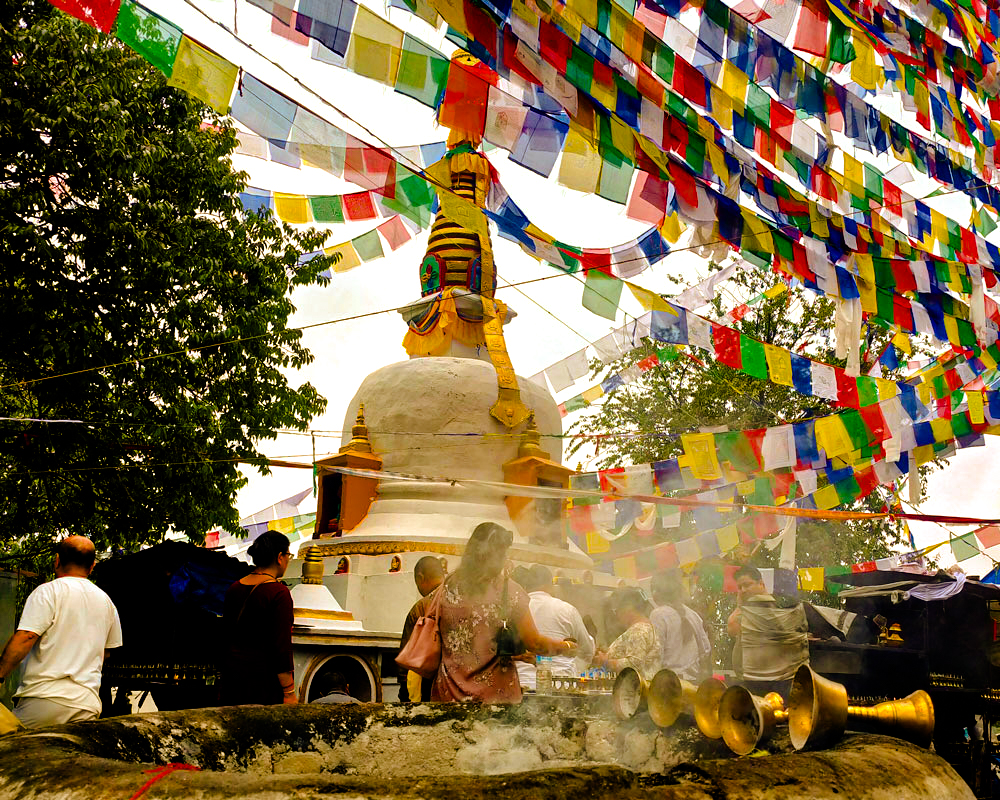
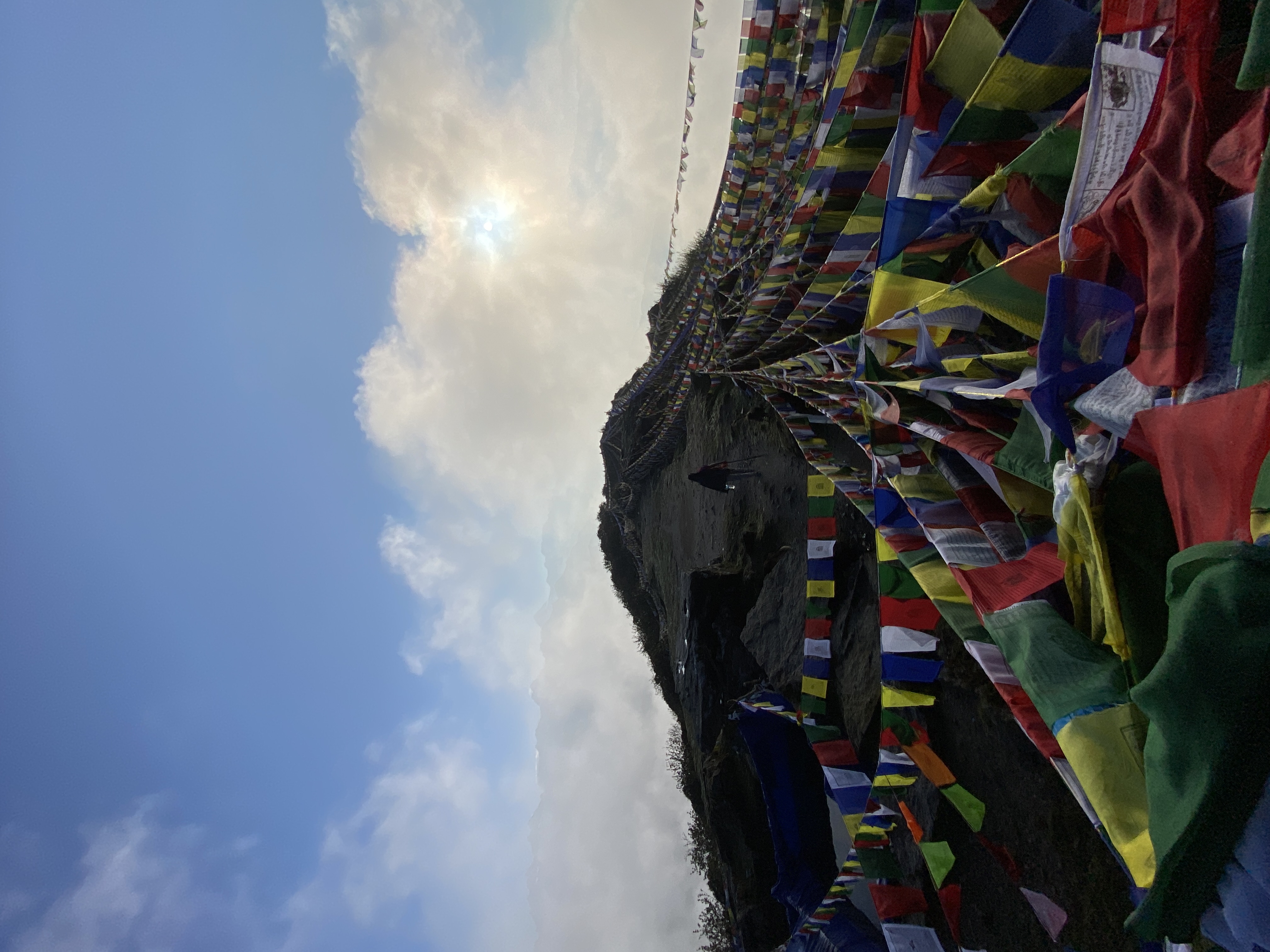
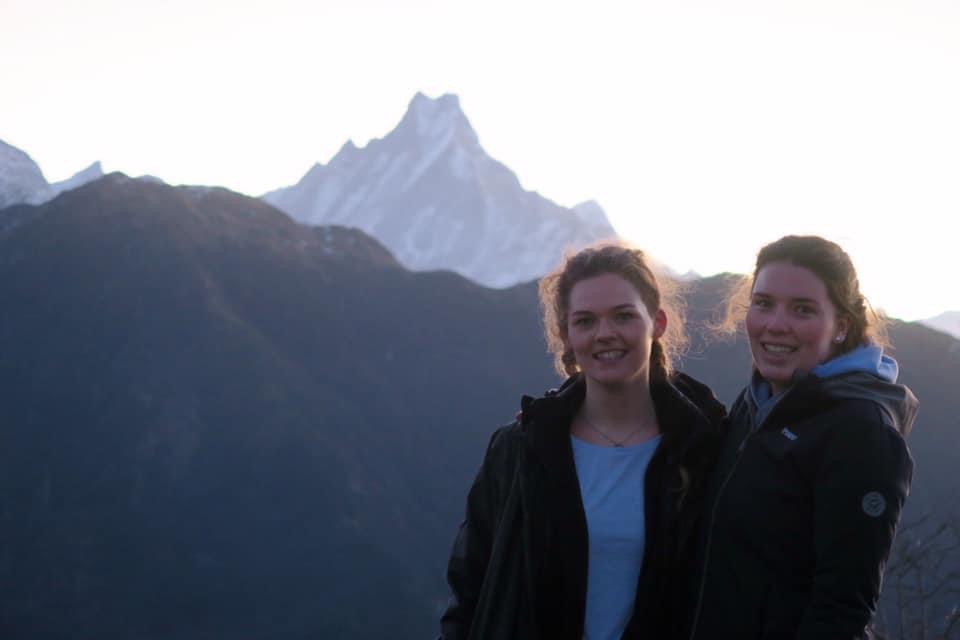
Astam Dhampus Trek 2 nights 3 Days
Trek to Astam , Dhampus trek is one of the best and short easy trails in Annapurna regions