Annapurna Circuit Trek – 15 Days
Fifteen days circling the Annapurna massif, crossing Thorong La at 5,416m — from subtropical valleys to the Tibetan plateau. Nepal's greatest long-distance trek.
Trip Facts
| Duration | 14-15 days (11 trekking days) |
|---|---|
| Max altitude | 5,416m — Thorong La Pass |
| Difficulty | Strenuous |
| Trek start / end | Besisahar / Jomsom to Pokhara |
| Best season | Mar–May, Sep–Nov |
| Accommodation | Teahouse + 3 nights hotel |
| Group size | 1–12 |
| Permits | ACAP + TIMS |
| Daily walking | 5–6 hours |
Overview
The Annapurna Circuit is the trek against which every other long-distance Himalayan route is measured. Over fifteen days you walk a complete loop around the Annapurna massif, passing through more ecological and cultural zones than any comparable trek on earth — subtropical rice terraces at 800m, pine and blue sheep country at 3,500m, and the arid, Tibetan-influenced high desert of Manang and Mustang beyond the main Himalayan divide. The crossing of Thorong La at 5,416m is the physical and emotional centre of the trek. You leave High Camp or Phedi in darkness, climb for four to five hours in the cold, and come over the pass into a completely different world — the green, forested southern slopes behind you, the ochre canyons of the Kali Gandaki ahead. The descent brings you to Muktinath, one of the holiest sites in both Hinduism and Tibetan Buddhism, where 108 water spouts run from the temple wall. Road construction has changed the lower Circuit, and any operator who does not tell you this is being dishonest. Our itinerary uses jeep transfers on the sections now dominated by road, and puts the walking where it belongs — the Upper Pisang–Ghyaru–Ngawal high route, the Manang basin, the Thorong La approach and the descent to Muktinath. The result is fifteen days with almost no road walking and a properly conservative acclimatisation profile. Two nights are built in at Manang (3,540m) with an acclimatisation hike to Ice Lake or the Gangapurna glacier viewpoint. This is not padding — the Thorong La crossing is the highest most trekkers will ever go, and getting it right is the difference between the best day of the trek and an evacuation.
Highlights
- Cross Thorong La Pass (5,416m) — one of the highest trekking passes in the world
- The Upper Pisang–Ghyaru–Ngawal high route, with the full Annapurna II, III and IV wall opposite
- Manang, a Tibetan-style high valley village at 3,540m, with acclimatisation hikes to Ice Lake and Gangapurna
- The Muktinath temple complex and its 108 sacred water spouts
- Extraordinary ecological range — rice paddies to high-altitude desert in eleven days
- Apple orchards and traditional distilleries at Marpha in the Kali Gandaki valley
Itinerary
Arrive Kathmandu; briefing and permits(1400m) —
Drive Kathmandu to Besisahar to dharapani (1860m) 6-7 hours
Dharapani to chame (2670m) 5-6 hrs
Chame to upper pisang (3300m )5–6 hrs
Upper Pisang to Ghyaru to Ngawal to Manang (high route) (3,540m)6–7 hrs
Manang acclimatisation — Ice Lake or Gangapurna viewpoint (3,540m) 4–5 hrs
Manang to Yak Kharka (4,050m)3-4 hrs
Yak Kharka to Thorong Phedi / High Camp (4,540m) 4-5 hrs
Thorong La Pass (5,416m) to Muktinath (3,760m) 8–9 hrs
Muktinath to Kagbeni by wak (2,670m) 4-5 hrs
Marpha to Jomsom; fly or drive to Pokhara ( 820m)
Pokhara — free day( plokhara tour with guide ) sunrise from sarangkot view point, David's falls,Gupteshower cave, peace pagode(japanes tempel),shiva's statue(pumdkot) international mountain musem, gurkha musem etc more activities paragladilng,boalting on fewalkle,bungee jump,many more.
Fly or drive Pokhara to Kathmandu
Final departure
What the Price Includes
Cost Includes
- Airport pick-up and drop-off (private vehicle)
- All ground transport per itinerary
- Teahouse/lodge accommodation throughout the trek (twin share)
- Hotel accommodation in Kathmandu/Pokhara per itinerary (3-star, B&B)
- Three meals a day on trek — breakfast, lunch, dinner
- Tea/coffee with meals on trek
- Government-licensed English-speaking trekking guide
- Porter service (1 porter per 2 trekkers, max 25kg)
- All staff wages, insurance, equipment, food and lodging
- All required trekking permits and entry fees
- TIMS card
- Seasonal fresh fruit after dinner
- First aid kit and pulse oximeter carried by guide
- Duffel bag, trekking map and company T-shirt
- All government taxes and service charges
Cost Excludes
- International airfare and Nepal visa fees
- Travel and medical insurance (mandatory — must cover helicopter evacuation to 6,000m)
- Meals in Kathmandu and Pokhara (except where stated)
- Personal trekking equipment and clothing
- Hot showers, Wi-Fi, battery charging and bottled drinks on trek
- Alcoholic and soft drinks
- Personal expenses — laundry, phone, souvenirs
- Emergency evacuation costs (recoverable from your insurer)
- Tips for guide and porters
- Anything not listed under "Cost Includes"
Best Time to Trek
The most reliable season. Clear skies, stable weather, firm trails and the sharpest mountain views of the year. Book early; this is peak season on every route.
The second-best window and the finest season for scenery below 4,000m, when rhododendron forests are in full bloom. Warmer nights and longer days, with some afternoon haze building through May.
Clear, quiet and cold. Excellent for lower routes such as Poon Hill, Mardi Himal and Kathmandu Valley. High passes may close under snow.
Wet and leech-prone on most routes, but this is the right season for the rain-shadow trails: Upper Mustang, Nar Phu and Upper Dolpo.
Frequently Asked Questions
It is the hardest single day of the trek: a 1,000m ascent starting around 4am in sub-zero temperatures, followed by a 1,600m descent to Muktinath. Total walking is eight to nine hours. Altitude, not technical difficulty, is what makes it demanding — which is why our itinerary builds in the Manang rest day.
It has changed it, but not ruined it. Roads now reach Manang and Muktinath. Our itinerary drives the affected lower sections and walks the high alternative routes — Upper Pisang to Ngawal, and the trails above the Kali Gandaki — so you get eleven days of real trail rather than road-side walking.
Since April 2023 the Nepal Tourism Board requires solo foreign trekkers to be accompanied by a licensed guide on most trekking routes, including the Annapurna Circuit. Beyond the regulation, Thorong La in variable weather is not a place to be making decisions alone.
Thorong La can close due to snow, particularly in late autumn and winter. If your guide judges the crossing unsafe, we reroute — usually returning to Besisahar and flying Pokhara–Jomsom to complete the Mustang side. Safety decisions rest with the guide and are final.
Ready to Book This Trek?
Departures run year-round on your dates — private groups, couples and solo trekkers all welcome. Tell us your dates and we will send a full quote within 24 hours.
You Might Also Consider
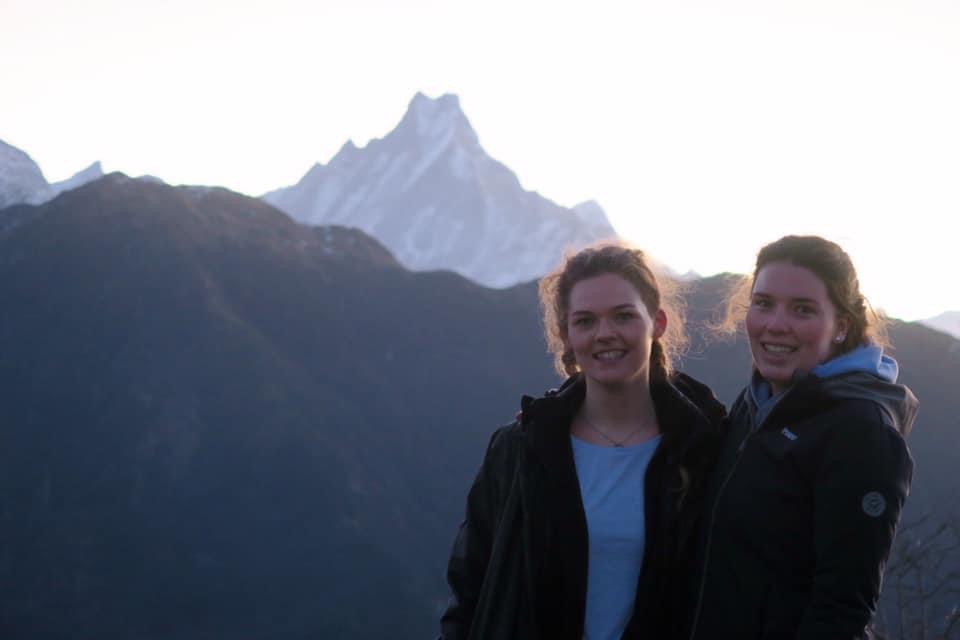
Astam Dhampus Trek 2 nights 3 Days
Trek to Astam , Dhampus trek is one of the best and short easy trails in Annapurna regions
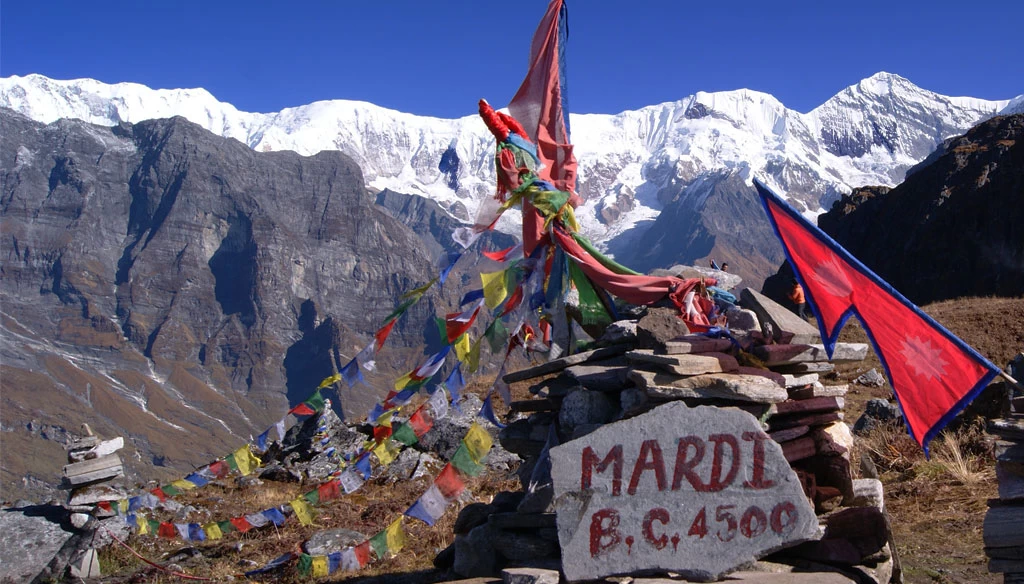
Mardi Himal Trek – 7 Days
Seven days on a high forested ridge directly beneath Machhapuchhre — the closest you can get to the Fishtail. Nepal's finest short trek.
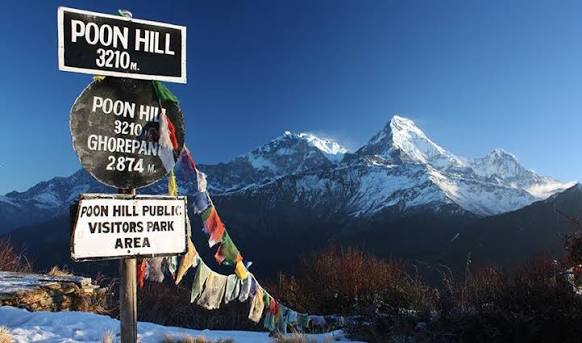
Ghorepani Poon Hill Trek (Balcony Trek) – 8 Days
Nepal's most famous sunrise. Eight easy days through Gurung villages and rhododendron forest to the Poon Hill balcony, facing Dhaulagiri and Annapurna.